
Est. 2024 · Miniature Painting
Paint Smaller.
See Bigger.
Where the magnification goes up and the world outside goes quiet.
This started with a single face.
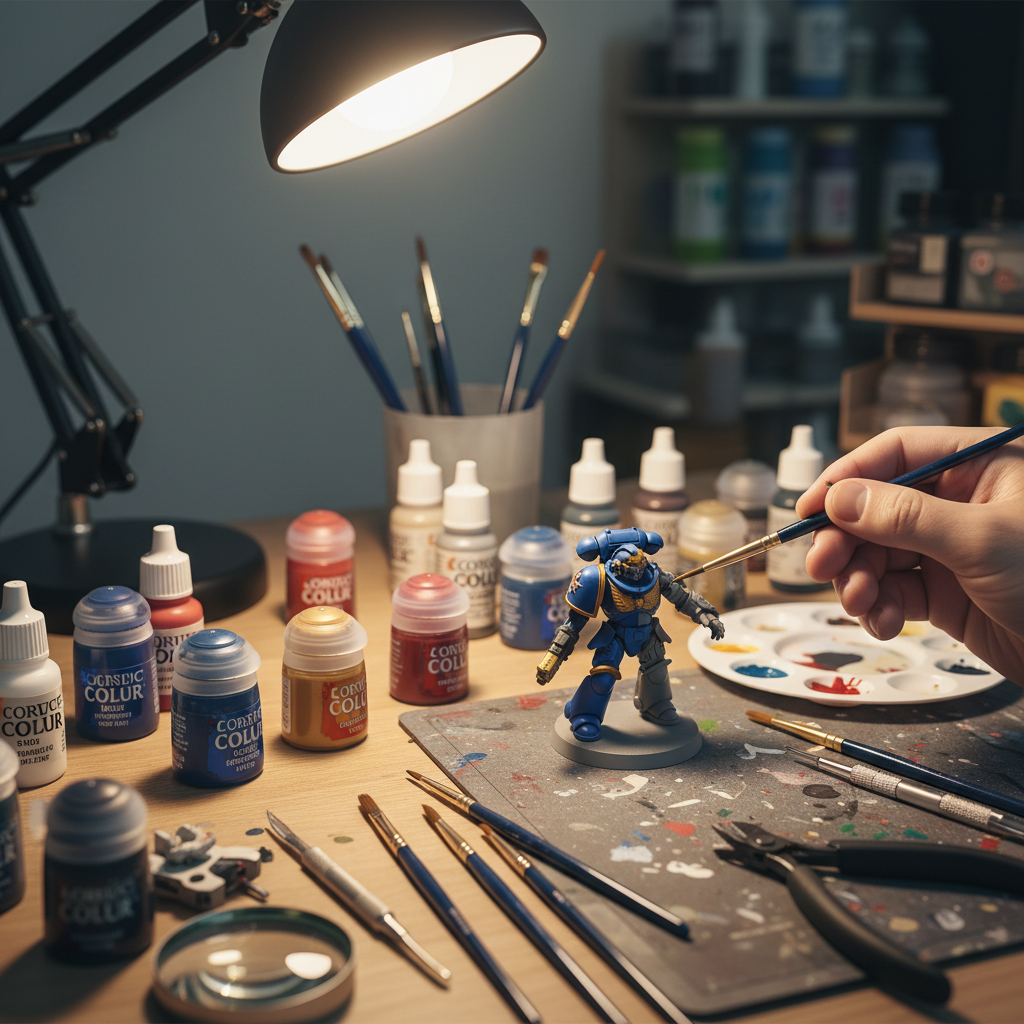
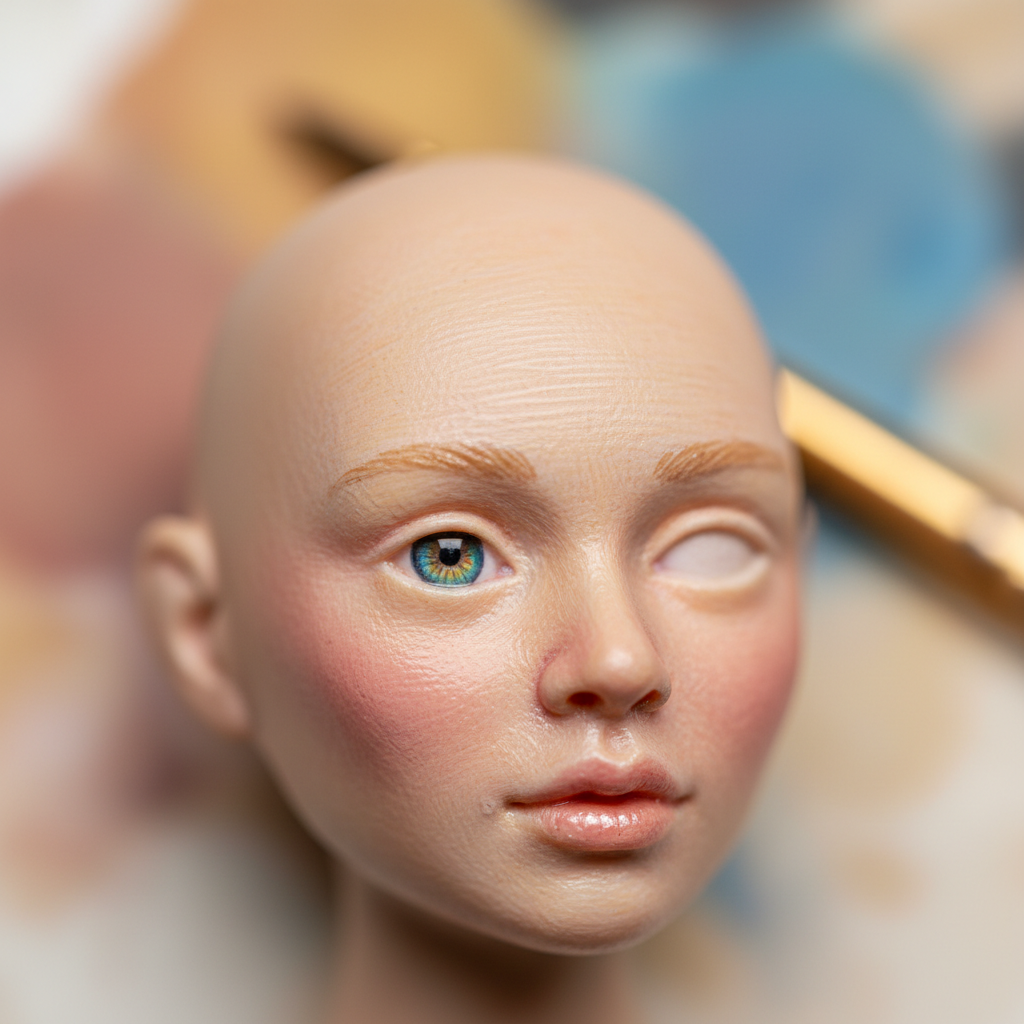
I'd been painting Space Marines for three years before I noticed I'd never really looked at one. Not properly. Then I spent six hours on a single Primaris lieutenant's face — wet-blending the shadows up from a deep violet-brown, layering warm flesh tones in hair-thin glazes — and something shifted.
Atelier exists for that shift. For the painter who's put down the speedpaint and picked up the size 1 Kolinsky. For whoever finds themselves at 2 a.m. with a loupe, a half-finished eyebrow, and no desire to be anywhere else.
"The miniature doesn't care about your deadline. It only asks for attention."
— Atelier founding note, January 2024
4 hrs
Avg. session length
340+
Community members
12
Technique guides
The mark the brush
actually leaves.
Every method below is documented at macro scale — close enough to see individual bristle marks. No theory without practice; no practice without evidence.
Wet-Blending a Cloak
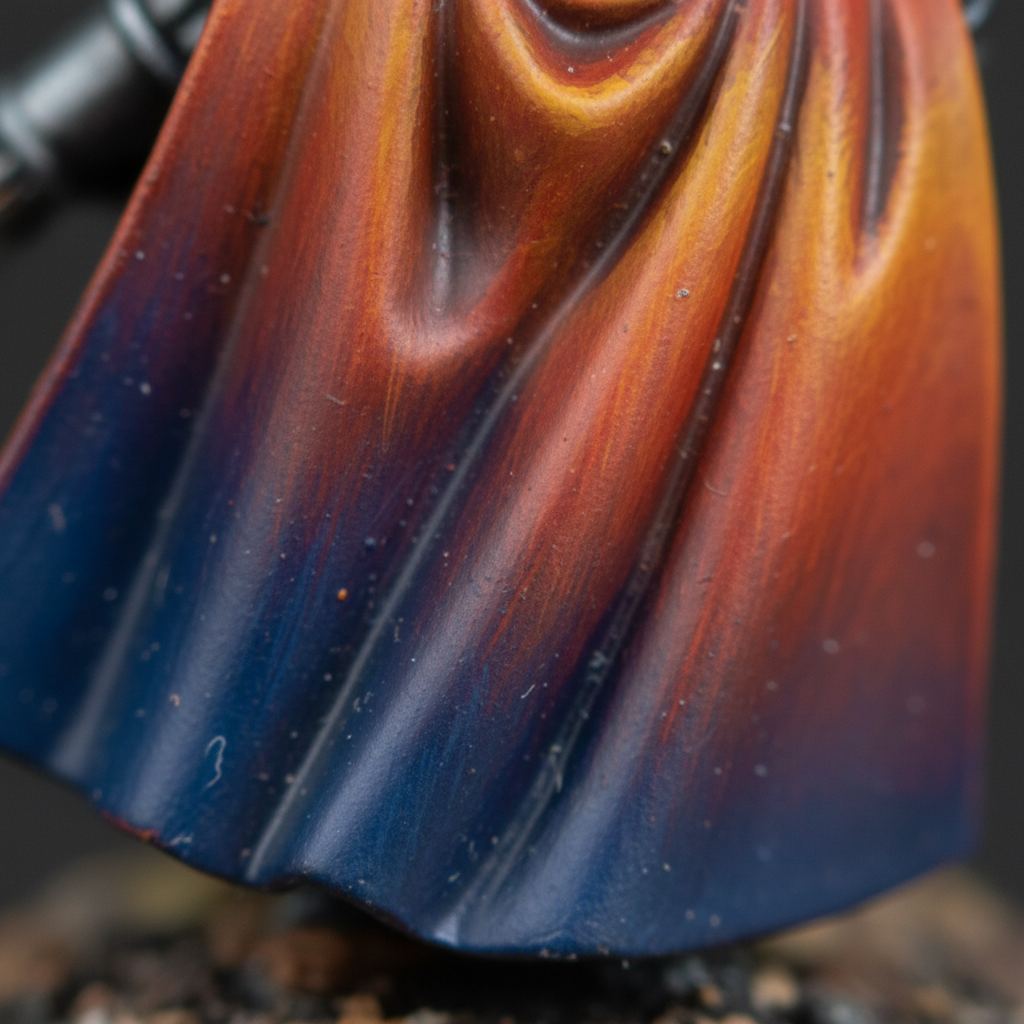
Two wet colours pushed into each other on the model itself — no drying between.
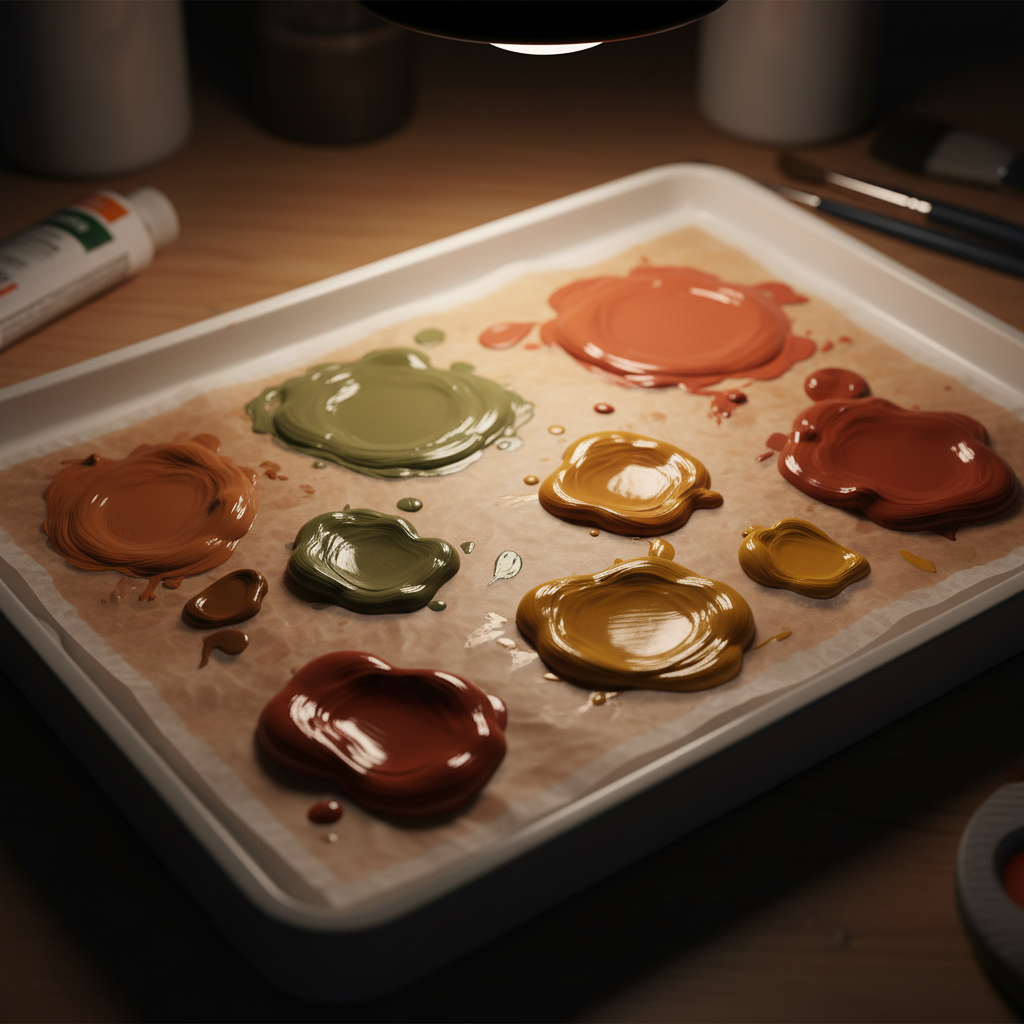
Load your wet palette with the shadow colour (I use Rhinox Hide + Abaddon Black 2:1) and the midtone. Apply both to the cloak while still wet, then use a clean damp brush to feather the boundary. The key is working in sections no larger than a thumbnail — the paint must stay workable. A retarder medium extends your window by 60–90 seconds. Three passes over four hours produces the oil-paint depth you see in Golden Demon entries.
Glazing Armour in Layers
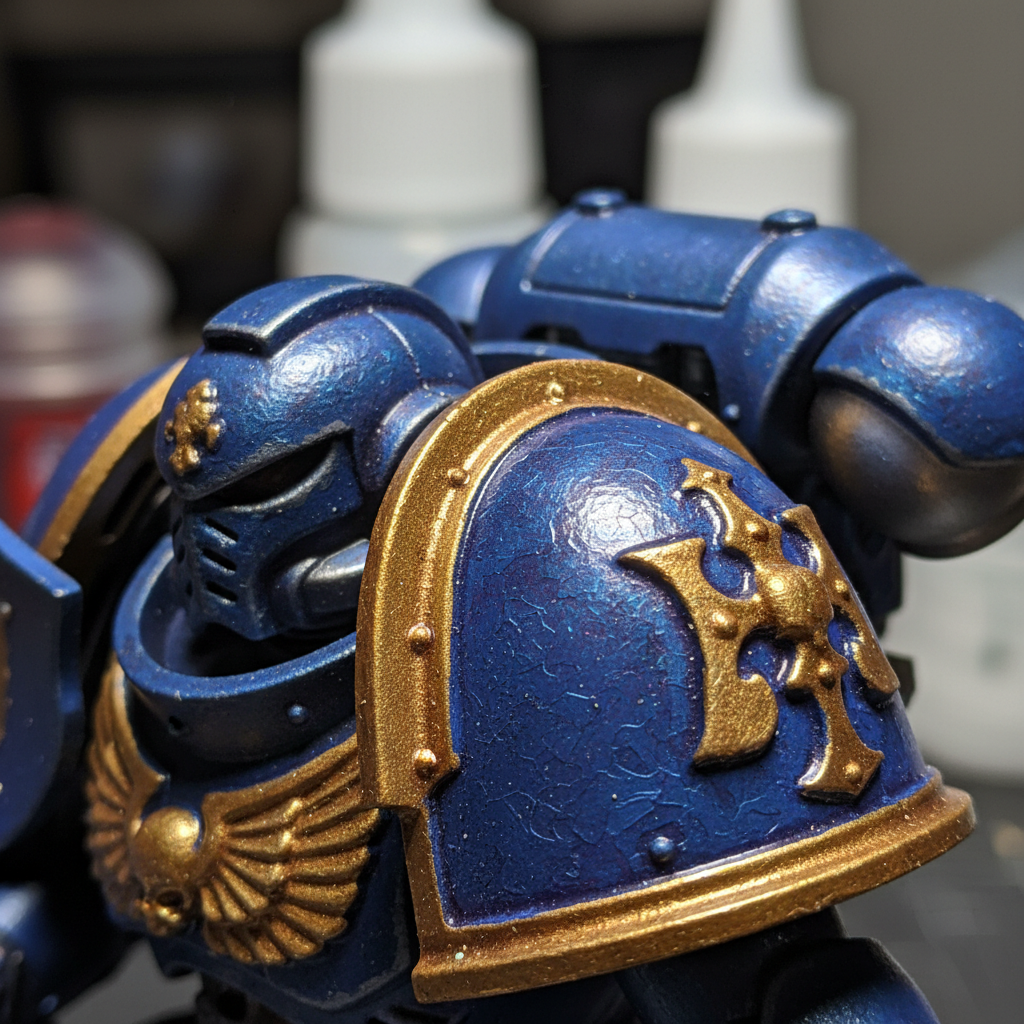
Thin, transparent colour builds chromatic depth that opaque paint never achieves.
A glaze is paint thinned 6:1 with medium — it should barely tint the surface. On a Space Marine pauldron, start with a purple-brown glaze in the recesses (Druchii Violet over Leadbelcher), then a blue glaze (Guilliman Flesh thinned blue) across the flat faces. Seven to ten layers, each fully dry. The final highlight is pure Runefang Steel applied only to the topmost edges. The result reads as metallic but contains an entire value range invisible at arm's length.
Freehand Heraldry
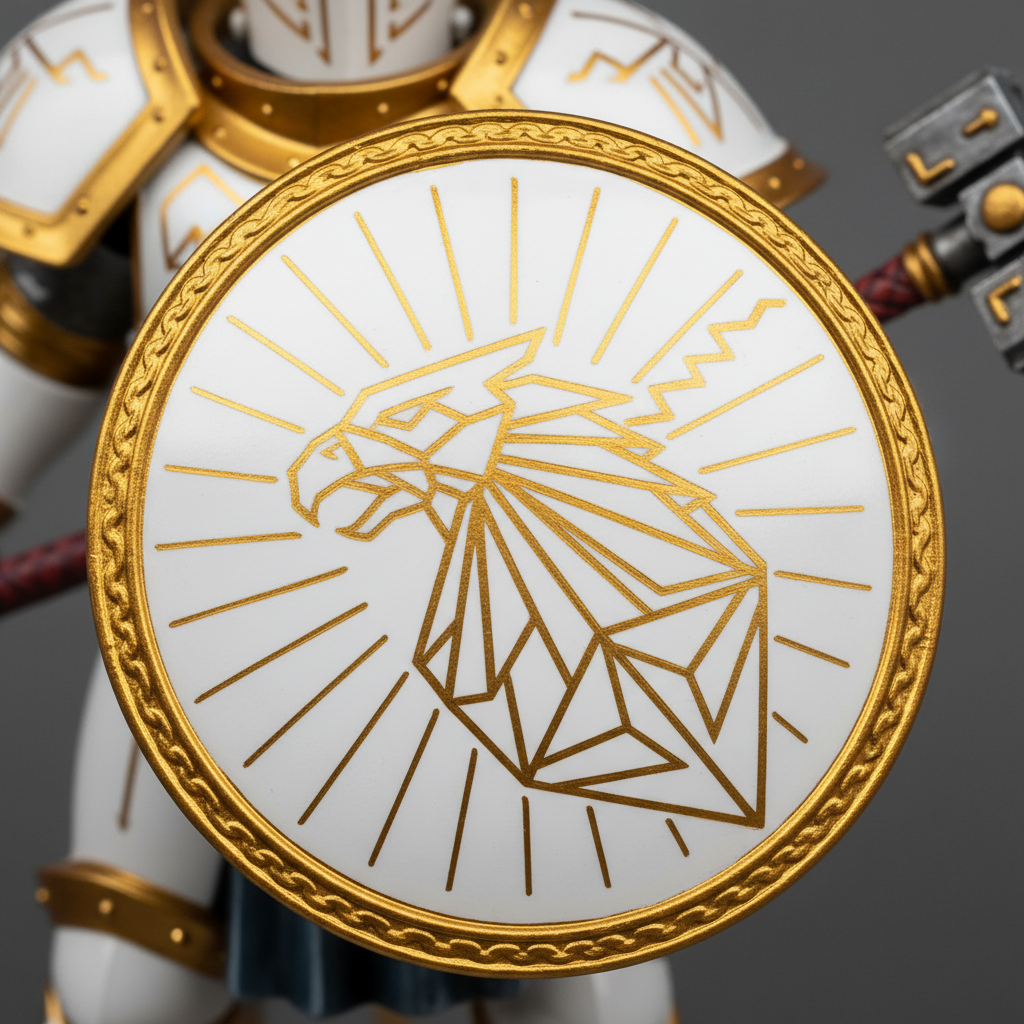
Geometry before detail — the grid you sketch in thinned paint saves every design.
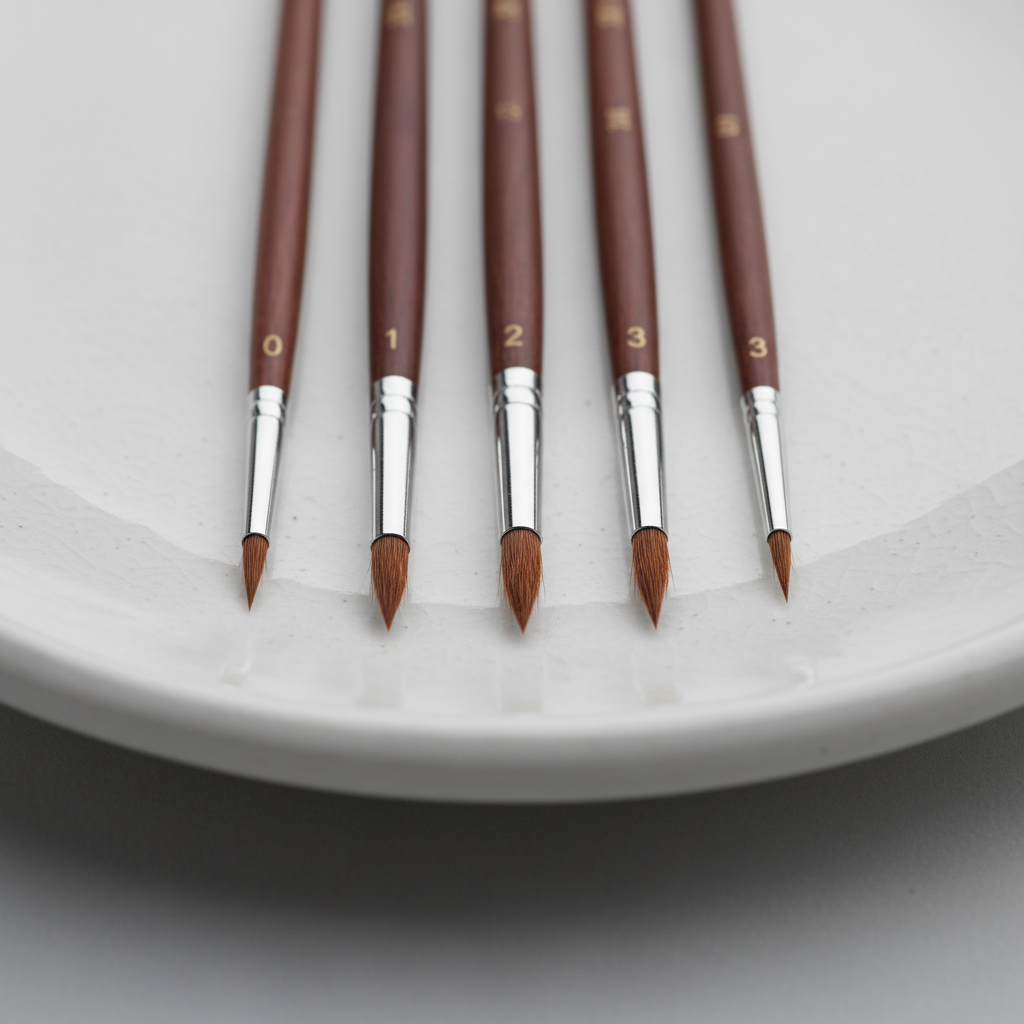
Sketch your design first in highly thinned base colour — thin enough that a single pass is nearly invisible. This ghost layer lets you correct proportions before committing. For a Stormcast shield quartered diagonally: mark the centre point, pull two lines corner to corner, then build each quarter independently. A size 0 brush with a fine point and medium-length bristles gives more control than a triple-zero. Steady your hand against the model itself, not the desk.
Work from the
workbench.
Community members submit display pieces — no tabletop standard, no shortcuts, just painting taken seriously. Every piece is shown at full resolution.
Open Submission
Share a piece you're proud of. We feature one new work each week.
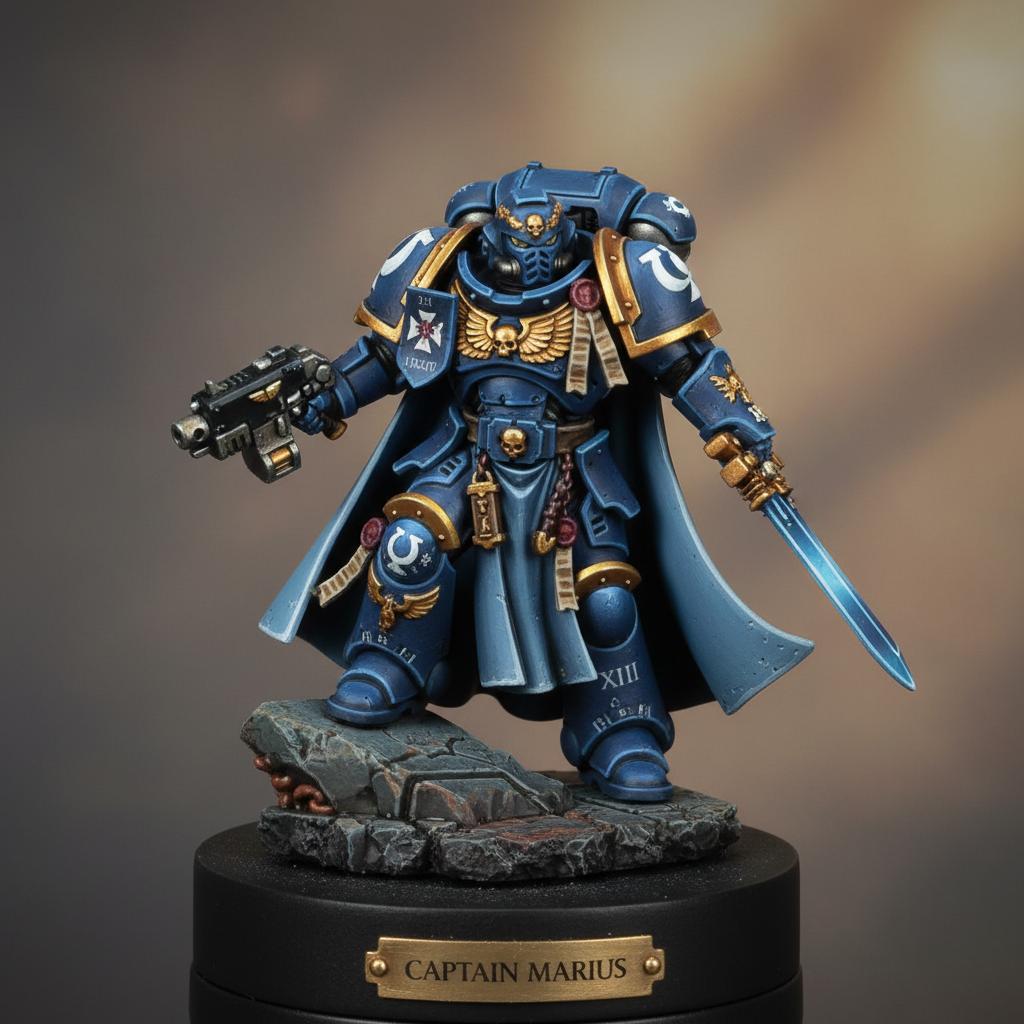
Warhammer 40,000
The Warden of Ultramar
Margot Delacroix · Lyon, France
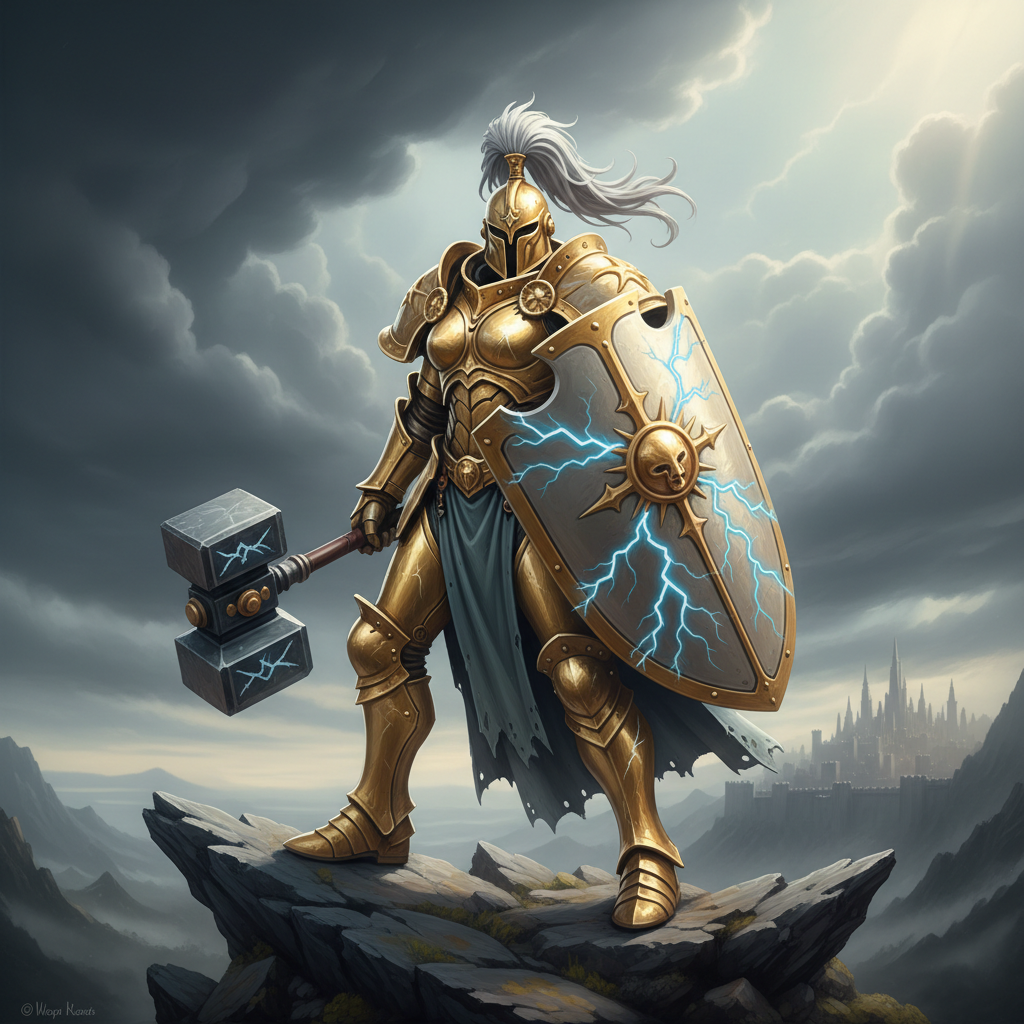
Age of Sigmar
Stormcast Shield-Maiden
Hiroshi Tanaka · Osaka, Japan
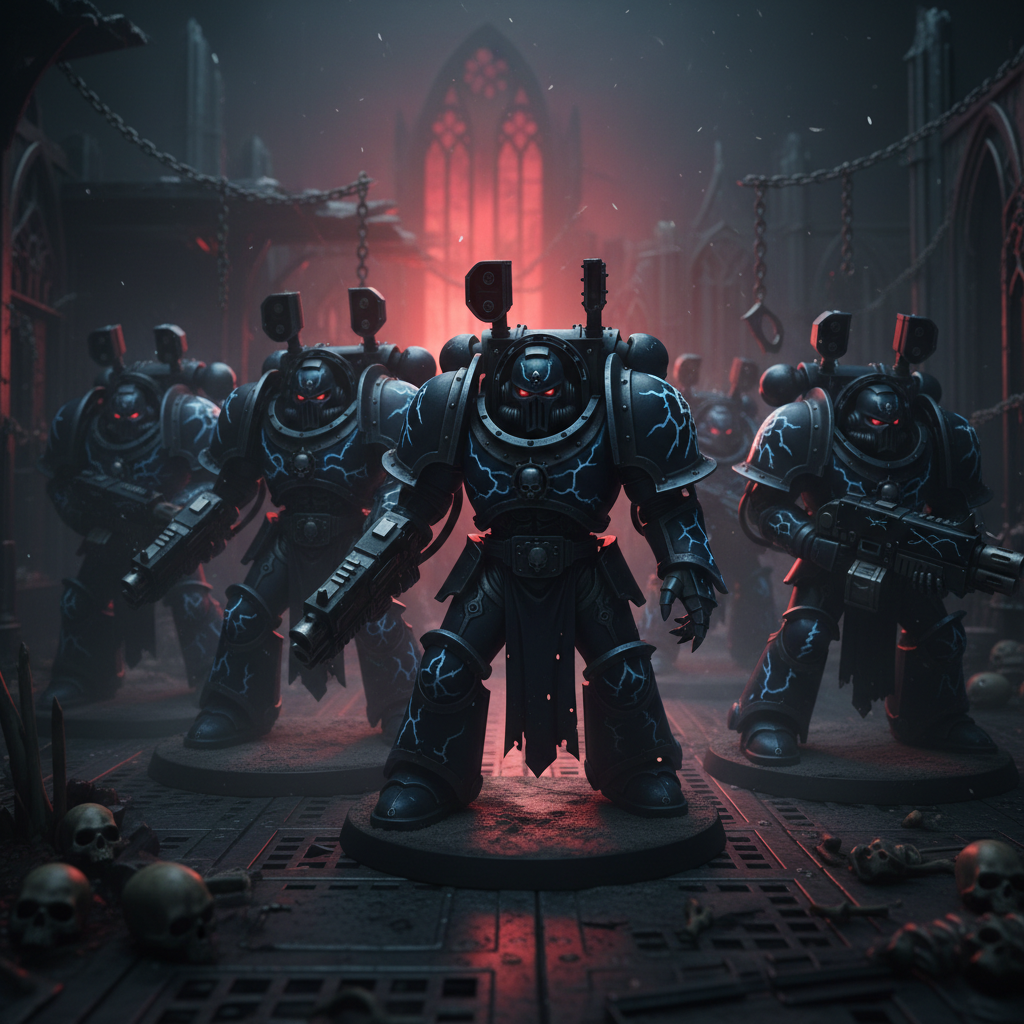
Warhammer 40,000
Night Lords Kill Team
Priya Nair · Bangalore, India

Age of Sigmar
Sylvaneth Treelord
Callum Reid · Edinburgh, UK
What's actually
on the desk.
Brush and paint recommendations built from use, not sponsorship. Every guide documents real session hours, not marketing copy.
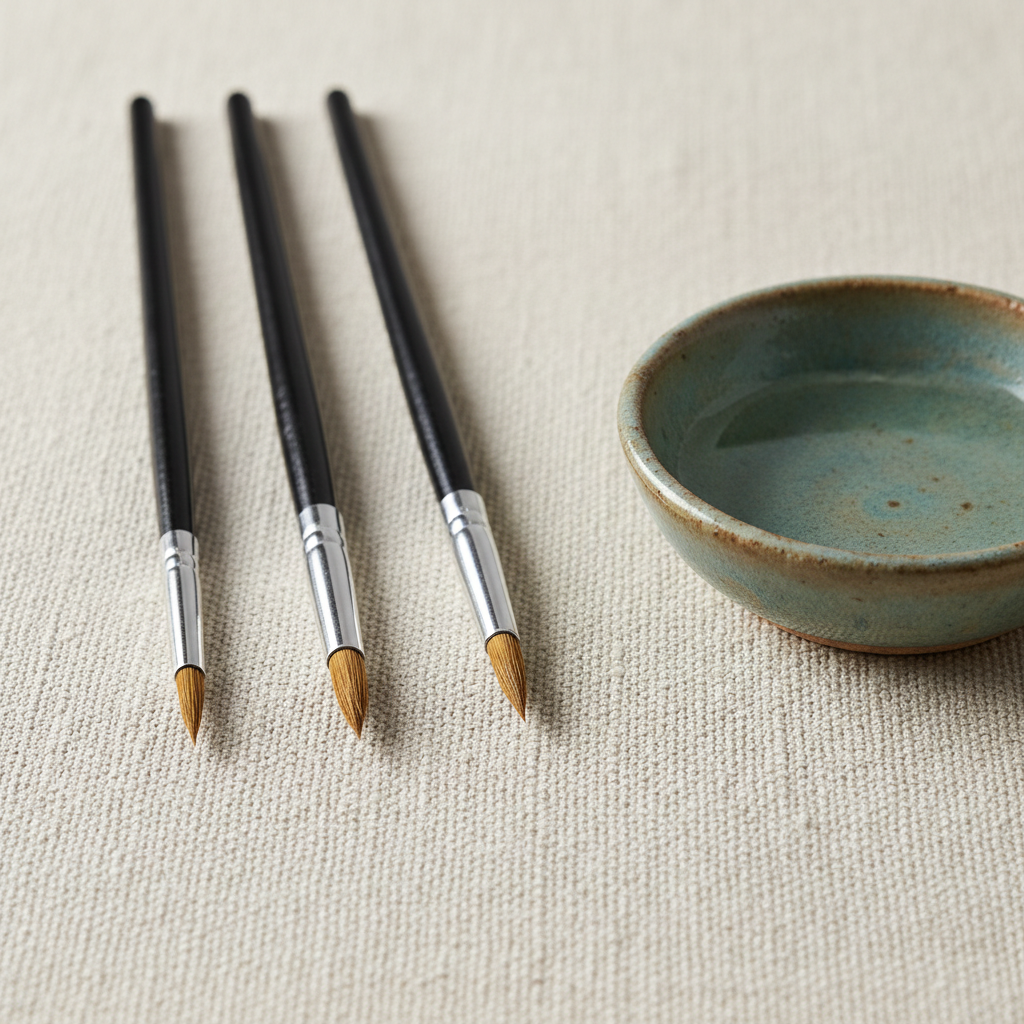
The Kolinsky Case
Winsor & Newton Series 7 vs Raphael 8404 vs Da Vinci Maestro — tested across 40+ hours of blending sessions.
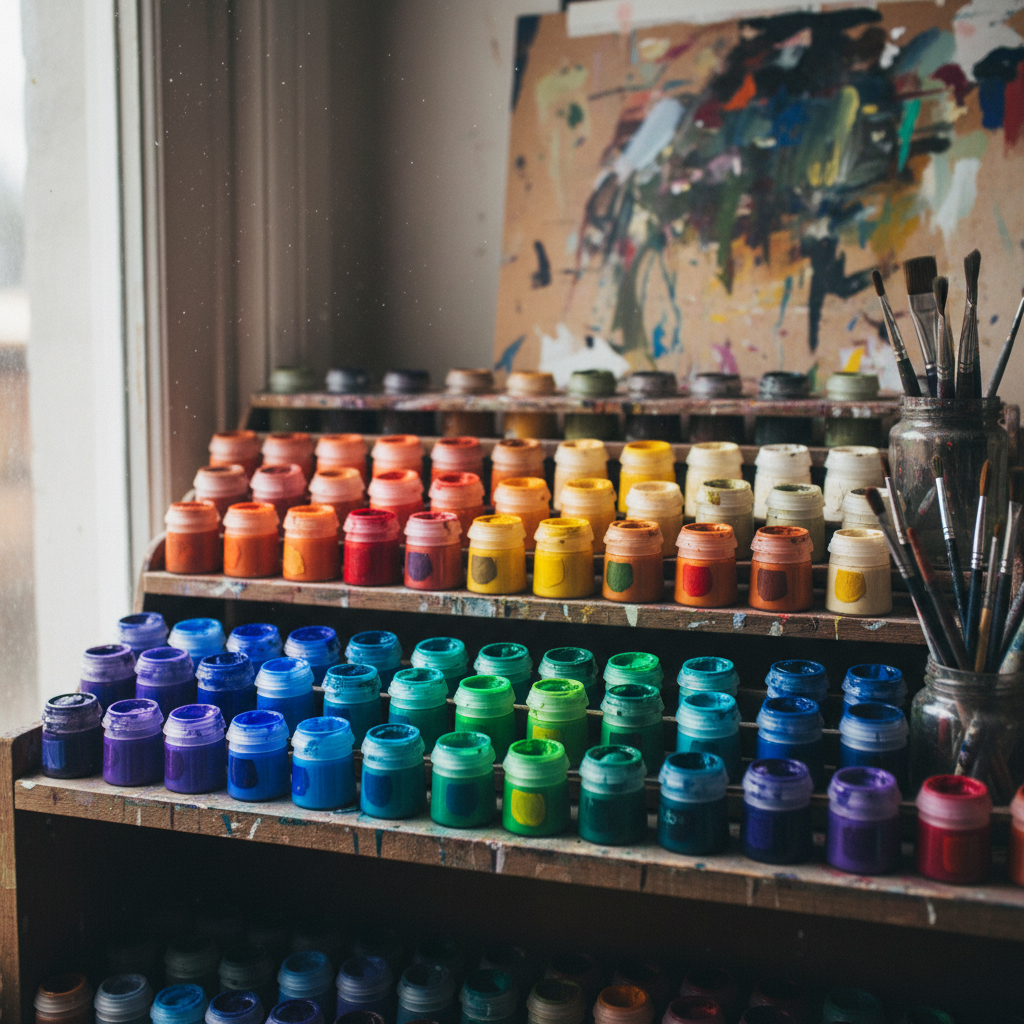
Citadel vs Scale75
Pigment density, working time, and coverage compared across four paint ranges for display-level work.
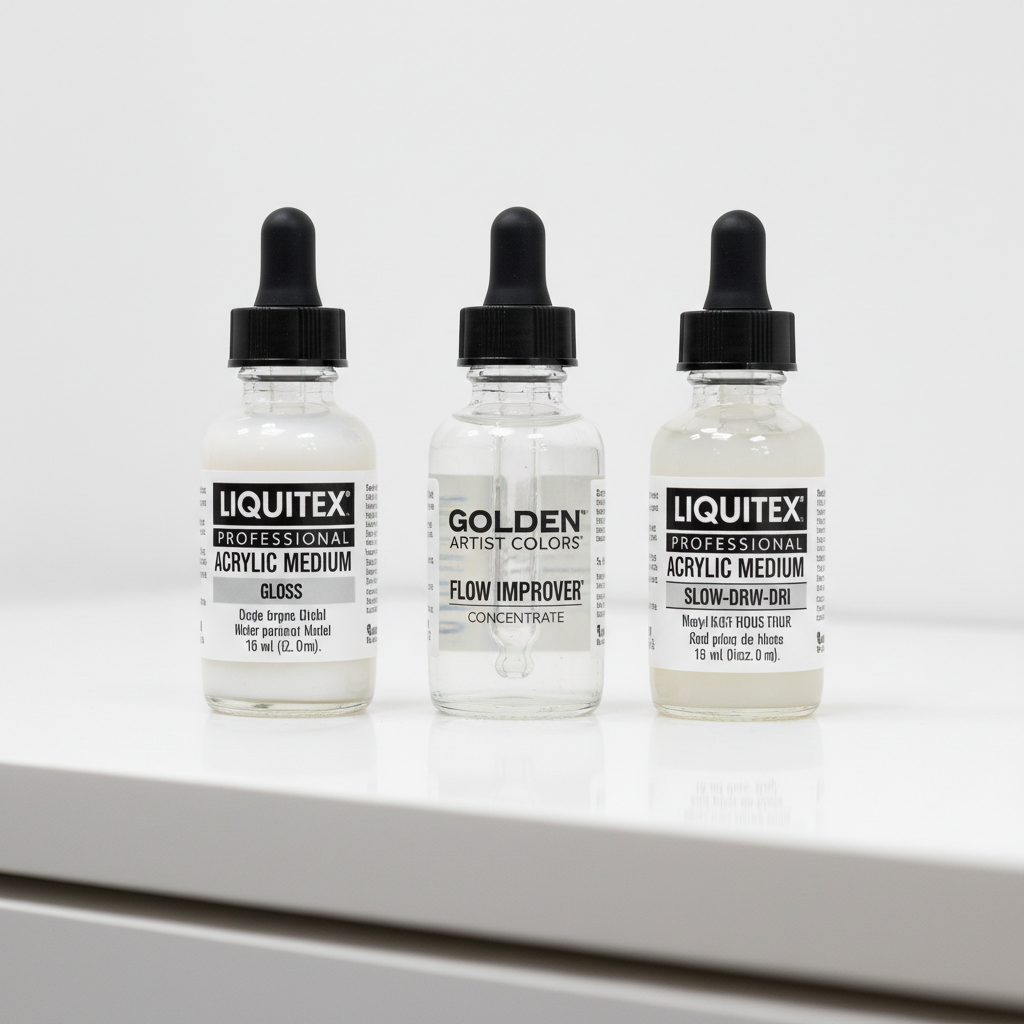
Retarder & Flow Improver
When to use which, in what ratios, and why the wrong choice ruins a wet-blend at the worst moment.
Join the Workbench
The lamp is on.
Pull up a stool.
Weekly technique notes, member showcases, and the occasional 2 a.m. dispatch from the workbench. No noise. Just paint.




340+ painters already inside